
Meow-Mind
Healthy Cats Happy Lives

Feline Nutrition & Hydration: The Complete Guide

Why wet food and optimal moisture intake are vital for urinary tract and metabolic longevity in cats.

Clinically Reviewed
Medically evaluated & fact-checked by Dr. Marcus Vance, DACVP.
Feline Nutrition & Hydration: The Complete Guide

Obligate Carnivores and the Water Equation

Cats evolved from the African wildcat (Felis lybica), desert dwellers that obtained almost all of their moisture directly from whole prey. Consequently, domestic cats possess a naturally low thirst drive, making them vulnerable to chronic low-grade dehydration when fed exclusively dry kibble diets.

Essential Dietary Pillars

  • High Animal Protein: Cats rely on protein for gluconeogenesis and energy.
  • Taurine & Arginine: Essential amino acids cats cannot synthesize endogenously.
  • Moisture Rich Foods: Canned and gently cooked foods provide 70-80% water content, helping prevent urinary crystal formation.
Key Takeaways

  • Feline body temperature over 103.5°F requires prompt veterinary clinical assessment.
  • Never administer human antipyretics or analgesics; drugs like acetaminophen are lethal to felines.
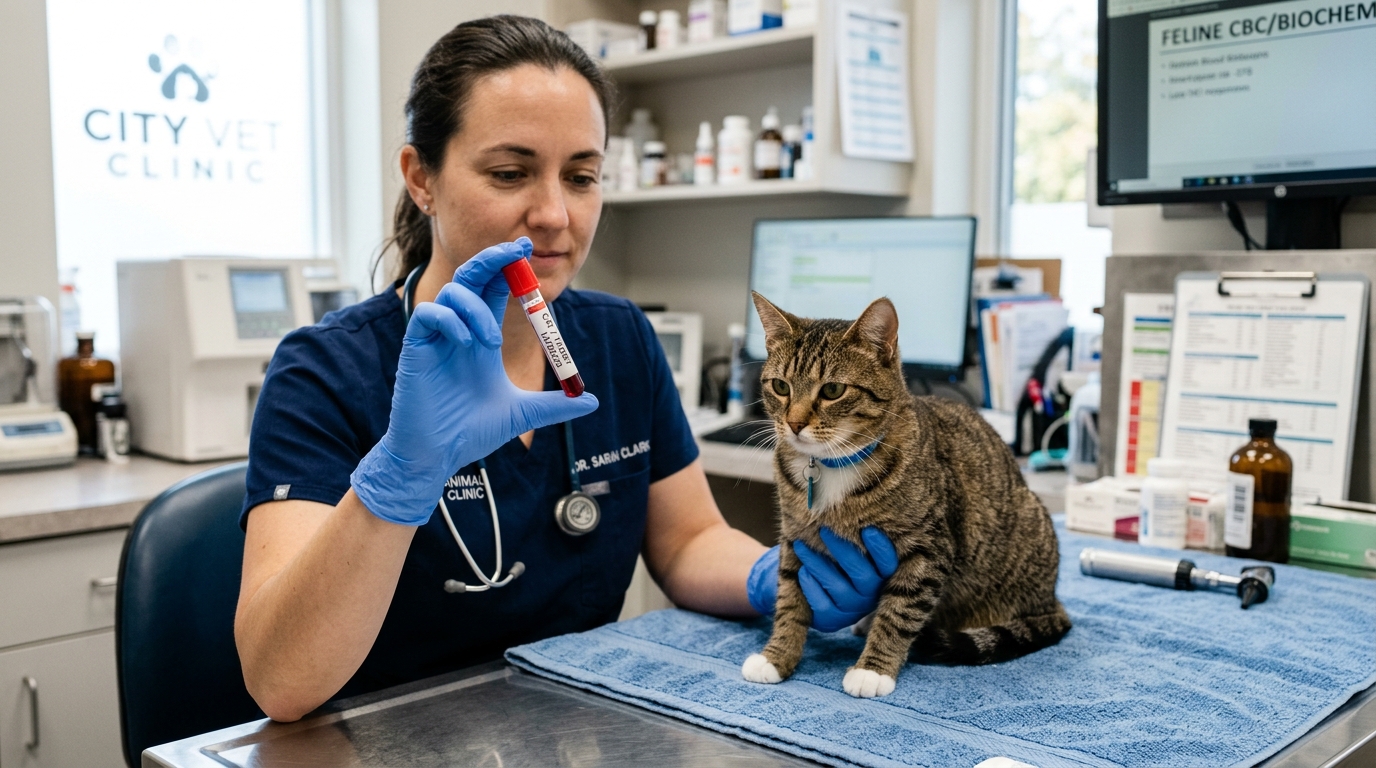
  • Laboratory tests like CBC, serum biochemistry, and SAA guide accurate targeted treatment.
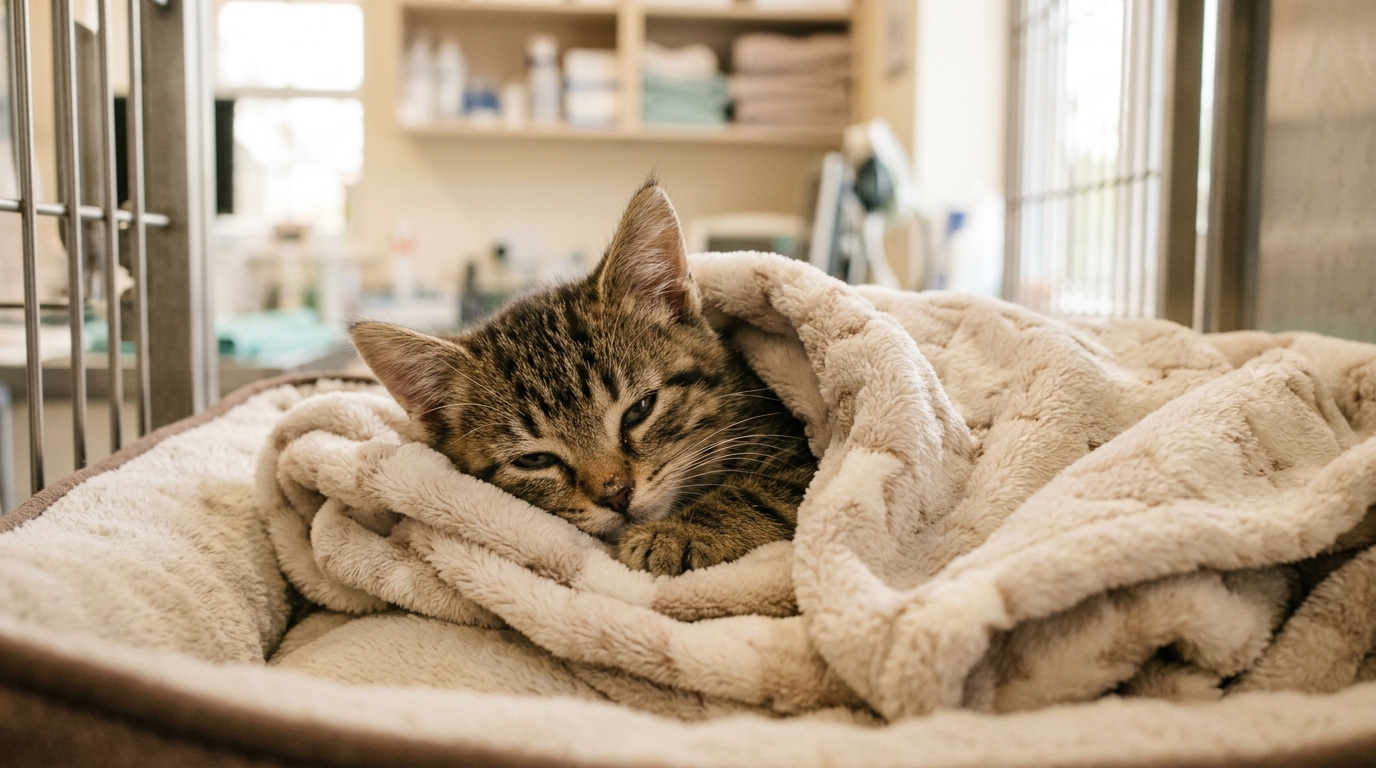
  • Subtle behavioral changes like lethargy, appetite loss, and hiding are frontline indicators of distress.
Written By

Dr. Elena Rostova

Feline Internal Medicine Specialist, DVM

Specialized in feline internal medicine and dedicated to translating complex veterinary clinical diagnostics into actionable health insights for devoted cat guardians.

Community Discussion 0

No comments yet. Be the first to share your thoughts or ask a question!

Leave a Comment

Have questions about symptoms, tests, or your cat's health? Share your comment below.